Risk of type 2 diabetes
Some risk factors for developing type 2 diabetes are modifiable through changes in lifestyle behaviours while others are non-modifiable such as age. Common modifiable and non-modifiable risk factors are described below.
Having one or more of these risk factors doesn't guarantee a person will develop type 2 diabetes. Reducing risk of type 2 diabetes involves making lifestyle behaviour changes, such as maintaining a healthy weight, being physically active, and eating nutritious foods.
Regular check-ups with a healthcare provider is beneficial for monitoring ongoing risk of developing type 2 diabetes.

Modifiable risk factors
-
Lack of regular physical activity increases the risk of type 2 diabetes. Regular moderate-intensity exercise helps the body use insulin more effectively.
-
High consumption of processed foods contributes to weight gain and insulin resistance. A diet that includes more fresh fruits, vegetables and whole grains is beneficial for overall health.
-
Chronic stress may contribute to the development of type 2 diabetes by triggering unhealthy behaviours like overeating, restricted diet, and limited exercise.
-
Abnormal lipid levels, particularly high levels of low-density lipoprotein (LDL) cholesterol and low levels of high-density lipoprotein (HDL) cholesterol, can increase the risk of diabetes.
-
Abnormal lipid levels, particularly high levels of low-density lipoprotein (LDL) cholesterol and low levels of high-density lipoprotein (HDL) cholesterol, can increase the risk of diabetes.
Non-modifiable risk factors
-
Some ethnic groups including, First Nations people, Southeast Asians, Indian subcontinent, African, and Hispanics are at a higher risk of developing type 2 diabetes.
-
If you have a family history of diabetes, particularly in close relatives like parents or siblings, your risk of developing diabetes is higher. Certain genes may predispose individuals to diabetes.
-
The risk of type 2 diabetes increases with age, especially after the age of 45. However, type 1 diabetes can occur at any age, but it is most diagnosed in children.
-
If you developed gestational diabetes during pregnancy or had a baby weighing more than 9 pounds, you may be at higher risk of developing type 2.
-
Polycystic ovarian syndrome is a hormonal disorder that affects women, and it is often associated with insulin resistance, which can lead to an increased risk of type 2 diabetes.
Risk calculator
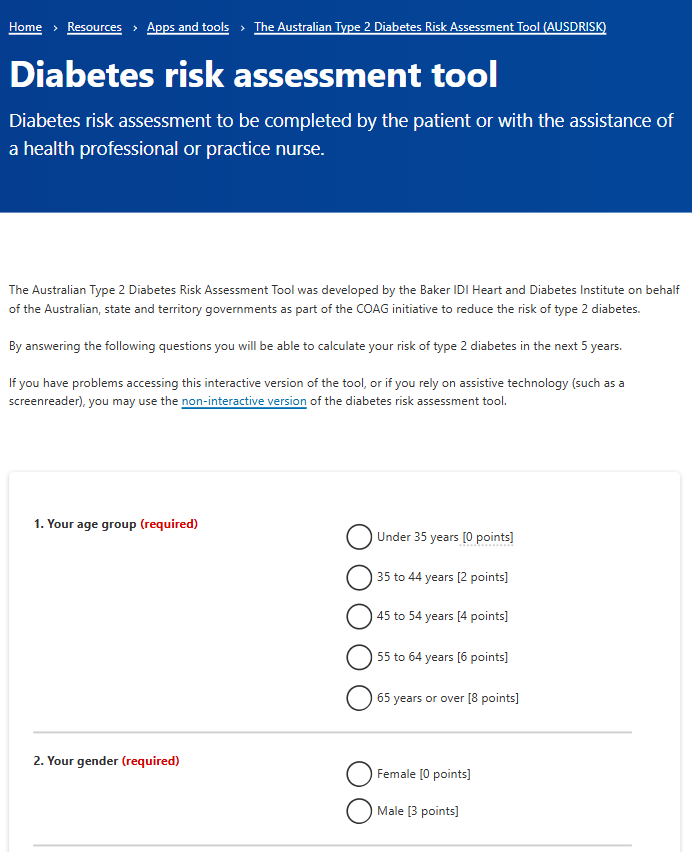
The Australia Diabetes Risk Assessment Tool (AUSDRISK) is a brief questionnaire (10 questions) developed by the Baker IDI Heart and Diabetes Institute, designed to evaluate the risk of an individual developing type 2 diabetes in the next 5 years. It can be completed independently or with the assistance of a healthcare professional.
Find out more about AUSDRISK here.